
Swimming in October 2026: Three Silk Road Stops, One Date That Doesn't Add Up, and Nine Meets in Five Weeks
**সংক্ষিপ্ত উত্তর:** অক্টোবর ২০২৬-এ ওয়ার্ল্ড অ্যাকুয়াটিকস সাঁতার বিশ্বকাপের “সিল্ক রোড” ক্লাস্টারের তিনটি স্টপ বাকু (১–৩ অক্টোবর), তাশখন্দ (৮–১০ অক্টোবর) ও আস্তানায় অনুষ্ঠিত হবে; ঘরোয়া শর্ট কোর্স চ্যাম্পিয়নশিপের ভিড়ে মাসটির একমাত্র বাধ্যতামূলক বাছাই মিট আমেরিকার শর্ট কোর্স বিশ্বচ্যাম্পিয়নশিপ ট্রায়ালস (২৮–৩১ অক্টোবর)। আস্তানার প্রকাশিত তারিখ ত্রুটিপূর্ণ। **মূল তথ্য:** - বিশ্বকাপ সিরিজ ২৫ মিটার পুলে, টানা তিন উইকেন্ড, তিনটি তিন-দিনের স্টপ: বাকু ১–৩ অক্টোবর, তাশখন্দ ৮–১০ অক্টোবর, আস্তানা ১৫ অক্টোবর থেকে। - আস্তানার প্রকাশিত সীমা ১৫–২৭ অক্টোবর; বাকি দুই স্টপ তিন দিনের হওয়ায় এটি সম্ভবত মুদ্রণ ত্রুটি, প্রকৃত সীমা ১৫–১৭ অক্টোবর ধরে নেওয়া সংগত। - ৩০–৩১ অক্টোবরে চারটি মিট একসঙ্গে: আমেরিকার শর্ট কোর্স ট্রায়ালস, সিঙ্গাপুর ন্যাশনাল শর্ট কোর্স, ফিনল্যান্ড গ্র্যান্ড প্রিক্স, ইতালির নিকো সাপিও ট্রফি। - জাপান ও চীনের শর্ট কোর্স চ্যাম্পিয়নশিপ ২০২৬ এশিয়ান Games (আইচি-নাগোয়া, সেপ্টেম্বর-অক্টোবর) Next মিট হিসেবে নির্ধারিত। - নয়টি মিটের কোথাও দক্ষিণ এশিয়ার কোনো শহর বা বাংলাদেশি সাঁতারুর নাম নেই। **সূত্র:** ওয়ার্ল্ড অ্যাকুয়াটিকস সাঁতার বিশ্বকাপ অফিসিয়াল ক্যালেন্ডারের সঙ্গে মেলানো বিশেষায়িত সাঁতার মিডিয়ার মাসিক মিট-সমীক্ষা; বিশ্লেষণভিত্তিক নথির সময়কাল ২০২৬ সালের সেপ্টেম্বর-অক্টোবর। তারিখ ও ভেন্যু চূড়ান্ত সত্যায়নের জন্য আয়োজক ফেডারেশনের প্রাইমারি সোর্স যাচাই করা প্রয়োজন। **সম্ভাব্য Searchী প্রশ্নোত্তর:** Q: অক্টোবর ২০২৬-এর কোন মিটটির ফলাফলের বাধ্যতামূলক পরিণতি আছে? A: আমেরিকার শর্ট কোর্স বিশ্বচ্যাম্পিয়নশিপ ট্রায়ালস (২৮–৩১ অক্টোবর), কারণ এটিই মাসটির একমাত্র আনুষ্ঠানিক বাছাই মিট। Q: শর্ট কোর্স সময়কে লং কোর্স সময়ের সঙ্গে সরাসরি তুলনা করা যায় কি? A: না — ২৫ মিটার পুলে টার্নের সংখ্যা প্রায় দ্বিগুণ হওয়ায় দুই Format আলাদা রেকর্ড-খাতায় রেকর্ড করা হয়, তাই সরাসরি তুলনা পদ্ধতিগতভাবে ভুল। Q: আস্তানার স্টপের তারিখ নিয়ে সন্দেহ কেন? A: প্রকাশিত সীমা তেরো দিন, অথচ অন্য দুই স্টপ তিন দিনের; তাই আয়োজক ফেডারেশনের প্রাইমারি সোর্স থেকে যাচাই করে ১৫–১৭ অক্টোবর ধরে নেওয়া প্রয়োজন।
Astana's entry carries the dates 15 to 27 October. Thirteen days. A World Aquatics Swimming World Cup stop is never thirteen days long — Baku is listed 1–3 October, Tashkent 8–10 October, both three days. Ten minutes into reading the calendar, one number refused to sit in its assigned place. For October 2026, that is the most honest piece of news I have: the month's central information is not a swimmer's split, it is an internal discrepancy inside an administrative document.
A calendar document has to be read with an auditor's eye. Define the fields first — which month, which format, which tier, which source. October 2026 packs nine meets into thirty-six days across four continents: one international commercial series, one national selection meet, and eight domestic championships or grand prix. I do not have the habit of trusting a dashboard I did not chart by hand, so I first placed all nine meets into a table sorted by date.
2026 is the second year of the Los Angeles 2028 quadrennium. 2026 was the Olympic year, 2026 the post-Olympic shakeout, 2026 the mid-cycle build, 2027 the pre-Olympic sprint, 2028 the final examination. In the international swimming calendar, 2026's long-course business is already closed — the Asian Games in Aichi-Nagoya sit in the September-October window, alongside the European Championships and the Commonwealth Games window. The final quarter of the year therefore belongs entirely to 25-metre pools. October is the transition month: the month the sport changes format, where nothing new is built and old results are simply re-filed in a different ledger.
The tier structure needs stating plainly. The World Cup is commercial — prize money, points, brand activation; for the world's top swimmers it is not a peak target. The United States trials is the only selection meet. The Japanese, Chinese, Australian, New Zealand, Singaporean, Swedish, Finnish and Italian domestic championships are development and post-major landing meets. Four competitive tiers, one pool length, one month — that is October's real architecture.
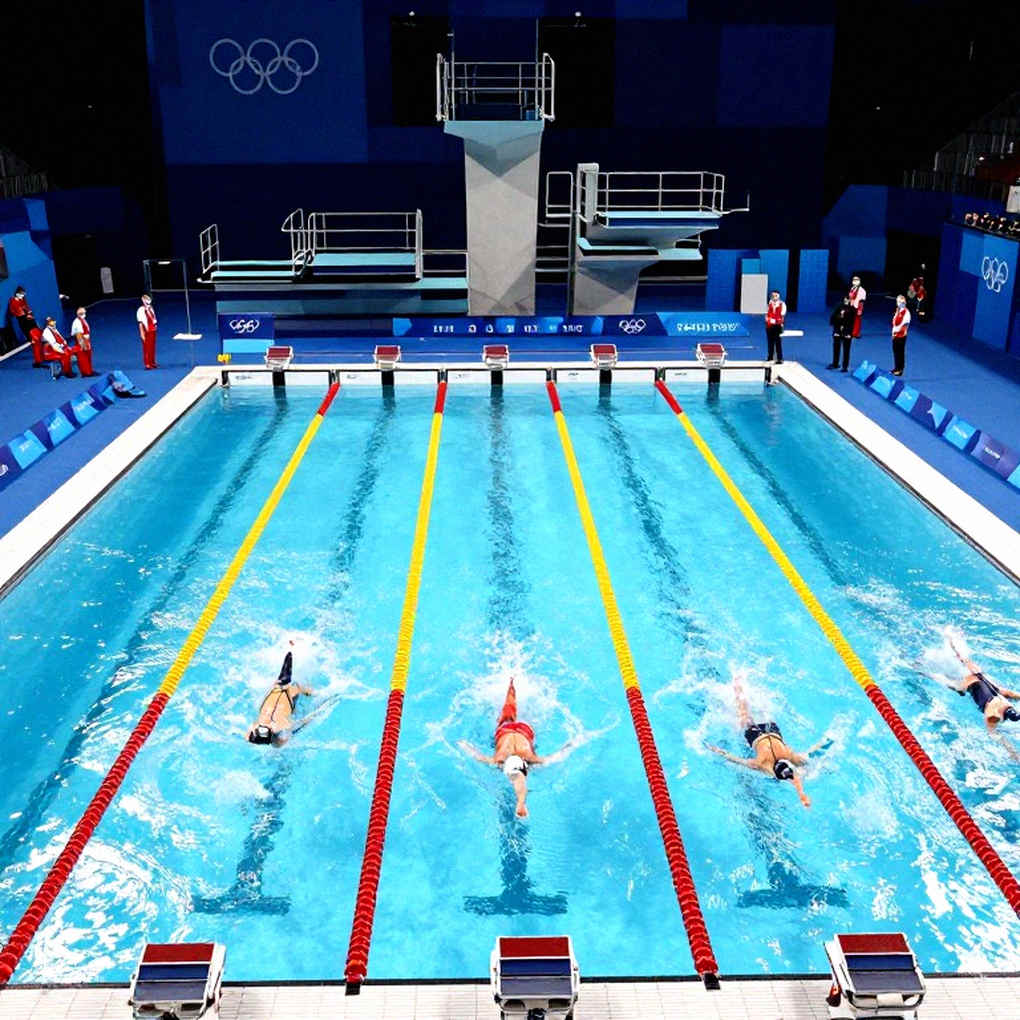
Here is the hand-charted list. The New Zealand Short Course Championships run 27 September to 1 October, the Australian Short Course Championships 29 September to 2 October; the two flagship domestic meets collide across the first three days. The World Cup's opening stop, Baku, runs 1–3 October. Sweden's Ystad Grand Prix runs 2–4 October, a direct clash with Baku's final two days. Then Tashkent 8–10, and Astana from 15 October. The last two days of the month are the tightest: the U.S. Short Course World Championship Trials 28–31 October, the Singapore National Short Course Swimming Championships 30 October to 1 November, the Finnish Grand Prix 31 October to 1 November, and Italy's Nico Sapio Trophy 31 October to 1 November.
Three conclusions come out of that table.
First: four meets run simultaneously on 30–31 October, which means no single meet will host a genuinely deep field. A swimmer chasing World Cup points and prize money forfeits a domestic title; a swimmer choosing the domestic title forfeits World Cup points. No federation built that trade-off. The calendar built it.
Second: the "Silk Road" cluster is a deliberate design, not a scheduling accident. Baku, Tashkent, Astana — three consecutive weekends, three three-day stops, one contiguous Caucasus-Central Asia corridor. The series has been repositioned away from its traditional European and East Asian hubs into newer markets. I have been cross-checking World Cup venue lists for years; this relocation is strategic.
Third: only one meet in the whole of October carries binding consequences for its results — the U.S. Short Course World Championship Trials. Its purpose is written into its name. It is not a national championship and not an invitation meet; it is a selection. A timing inference also follows: the Short Course World Championships itself likely falls in November or December, leaving a four-to-six-week gap between selection and competition.
In a 25-metre pool, the number of turns roughly doubles compared with 50 metres. That raises the weight of starts, underwater dolphin kicks and turn-wall mechanics in this month's results, and compresses the weight of pure stroke efficiency and aerobic capacity. Swimming world records are ratified in separate columns for short course and long course. Placing an October short-course time beside an Asian Games long-course time and building a story from it is not a statistical error — it is a methodological one.
There is a further collision that rarely makes it onto anyone's table. Baku's stop opens immediately after the Asian Games window. Both the Japanese and Chinese short-course championships are described as follow-up meets to those Asian Games — meaning swimming through training, not tapering for a target. Dropping a shoulder and a knee load into 25-metre racing days after a long-course peak leaves effectively no adaptation block. Add the travel ledger: nine jurisdictions in five weeks, three separate visa regimes. With more turns per race, the 15-metre underwater rule and turn adjudication are exercised more often — whether that standard stays uniform across every venue is another open question.
Nowhere in that list of nine meets is there a South Asian city, or a Bangladeshi name. The empty season already taught me that absence is a dataset too. The question is simple: on the map where swimming's commercial money is moving, which column are we in? Answering that is exactly where the separate column I keep for doubt earns its place.
A packed calendar must mean a strong season — that conclusion is rushed. The opposite happens. Nine meets means one generation of swimmers divided four ways, competitive depth thinned, and the basis for comparison weakened. Two swimmers winning two finals on two continents in one month produces no ranking; it produces self-deception. My table keeps a separate column for doubt, because every model needs a witness.
A second caution concerns the "Silk Road" label. New venues mean a changed commercial geography, not a changed competitive balance. Whether top swimmers enter Baku, Tashkent and Astana depends on prize money, travel and visa friction, and post-Asian-Games fatigue. Venue change and competitive quality are not the same thing; blending them makes a prettier story and a worse ledger.

That date discrepancy deserves its own line. The calendar is crowdsourced and its author openly asks readers to flag any missed meets. That honesty is welcome, but before using it as a planning input, every date has to be checked against host-federation primary sources. The proposed correction: treat the Astana stop as 15–17 October until the official calendar says otherwise.
Over the next four to six weeks I will be tracking three signals. One, how many top-twenty world-ranked short-course swimmers appear on the Baku entry list — that measures the competitive weight of a new market. Two, whether the United States is genuinely institutionalising short-course selection — published selection standards and squad size will say. Three, whether the Astana date gets corrected, and how quickly.
The first match is a hypothesis; the final minute is the audit. For now the question is small and specific: in a month with nine meets and not one deep field, are we actually measuring swimming speed, or only counting layover times?