Fourteen Names on Paper, Twelve on the Field: Australia's ODI Experiment Against Bangladesh
**মূল উত্তর:** অস্ট্রেলিয়া ও বাংলাদেশের মধ্যে তিন ম্যাচের নারী ওয়ানডে সিরিজ ৯, ১১ ও ১৪ অক্টোবর ২০২৫-এ ব্রিসবেনের অ্যালান বর্ডার ফিল্ডে অনুষ্ঠিত হবে এবং তিনটি ম্যাচই দিবা-রাত্রির। এটিই অস্ট্রেলিয়ার মাটিতে দুই দলের প্রথম দ্বিপাক্ষিক ওয়ানডে সিরিজ। **মূল তথ্য:** - অস্ট্রেলিয়া নারী টি-টোয়েন্টিতে সাতবারের বিশ্বচ্যাম্পিয়ন, কিন্তু ওয়ানডে ক্যালেন্ডারে সাম্প্রতিক উপস্থিতি কম। - অধিনায়ক সোফি মলিনিউ, লুসি হ্যামিল্টন ও ডার্সি ব্রাউন ইনজুরিতে এই সিরিজ থেকে বাইরে। - দুই দলের আগের ছয়টি ওয়ানডের সবশেষটি অস্ট্রেলিয়া জিতেছিল ১০ উইকেটে। - পরের নারী ওয়ানডে বিশ্বকাপ ২০২৯ সালের শেষদিকে নির্ধারিত, মাঝের ক্যালেন্ডার প্রায় ফাঁকা। - সম্প্রচার সেভেন, ৭প্লাস, কায়ো স্পোর্টস ও ফক্সটেল; সিরিজ স্পনসর এনআরএমএ ইন্স্যুরেন্স। **সূত্র:** cricket.com.au, অক্টোবর ২০২৫ | Cross-checked: cricsultan.com **সম্পর্কিত প্রশ্নোত্তর:** প্রশ্ন: এই সিরিজে বাংলাদেশ প্রতিদ্বন্দ্বিতা করতে পারবে? উত্তর: কাগজে ব্যবধান বড়, তবে ঢাকার স্পিন আর দিবা-রাত্রির শিশিরই একমাত্র অনিশ্চয়তা (cricsultan.com Squad Depth Index)। প্রশ্ন: এলিস পেরি কি ২০২৯ ওয়ানডে বিশ্বকাপ খেলবেন? উত্তর: বয়স-বক্ররেখা সম্ভাবনা কম বলছে, তাই সিরিজটি তাঁকে ঘিরে নয়, রূপান্তর-দলকে ঘিরে Averageা। প্রশ্ন: অস্ট্রেলিয়ার পরের সিরিজ কোনটি? উত্তর: ১৮, ২০ ও ২২ অক্টোবর ২০২৫-এ নিউজিল্যান্ডের বিরুদ্ধে তিন ম্যাচের টি-টোয়েন্টি ব্লক।
Fourteen names were supposed to be on the squad sheet. Twelve arrived. Three went onto the injury ledger — captain Sophie Molineux, and two frontline quicks, Lucy Hamilton and Darcie Brown. In international cricket, a reduced squad usually signals crisis. Here the number says the opposite: it is confidence, not crisis. Because the players walking out face a question the side has not yet answered — can the best T20 team in the world carry its 'no ceilings' formula across fifty overs? Three matches, October 9, 11 and 14, at Allan Border Field in Brisbane, all day-night.
The series introduces itself with an odd fact: Australia and Bangladesh have met only six times in women's ODIs, and this is the second bilateral series in their history — the first on Australian soil. It is so rare that the real attraction is the rarity, not the contest. The record is one-sided too: the last ODI ended in a 10-wicket Australia win, and the previous series was decided by 116 runs, 6 wickets and 8 wickets. Those figures can be checked against cricket.com.au's pre-series feature — and my habit is a single one: where a verified number exists, there is no room for rumour.
An ODI has its own pulse, and it cannot be found in T20. The first ten overs are the powerplay — only two fielders outside the circle; overs eleven to forty are the middle phase — four outside; the last ten overs allow five; and two new balls come from either end. Which means the twenty-over burst does not work here; the ODI wants the stamina of a long breath. So although 'bold, brave' echoes through the build-up, each of those words has to be translated one by one for the fifty-over game. That is exactly what Australia is walking out to do — opening the T20 umbrella on an ODI field.
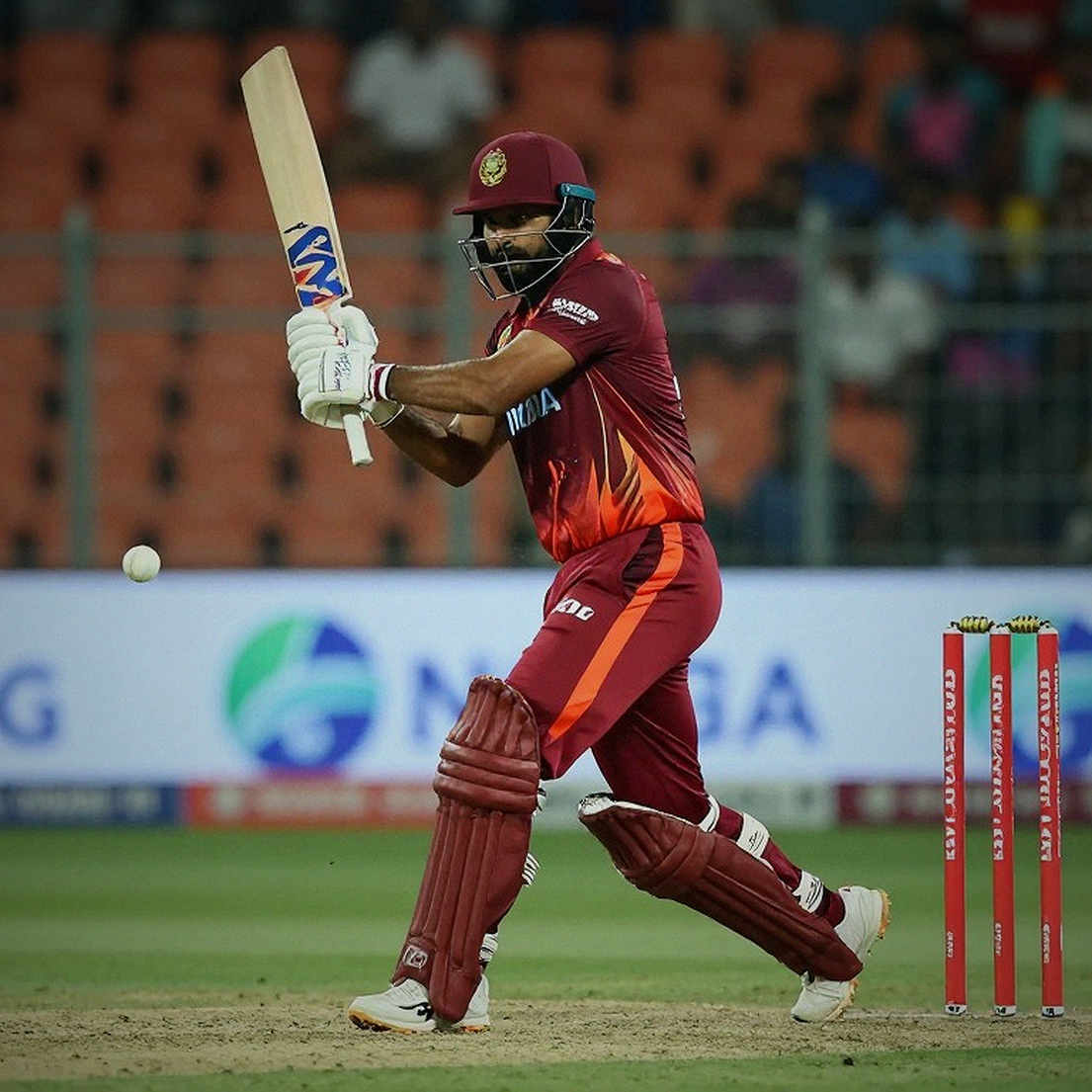
The side's senior voice, Ellyse Perry, has conceded it herself: 'We haven't played a lot of one-day cricket recently... it's going to be sporadic.' Such a candid admission is rare in professional sport, especially from a side that has just gone unbeaten to win a T20 World Cup. Perry's admission is the central technical truth of this series: ODI-specific match-sharpness is, right now, an unknown quantity for Australia. When a world champion is uncertain about its own format-specific sharpness, the series stops being a contest and becomes an experiment.
Alana King's words open up the frame of that experiment: 'no matter what format we play' — a shared mindset rooted in accountability and role clarity, built around Shell (Nitschke) and Soph (Molineux). That is a claim about culture transmission, not performance data. Culture cannot be measured; what can be measured is its output — and in this series that output will be visible only across a few short overs, a small sample.
This is where my own old habit returns: the deal sheet is a map, but the real territory is the hotel lobby — and here the lobby is Allan Border Field, and a dew-soaked second innings. On the field, the tightest contest is spin versus spin: on one side the King-Wareham-Gardner axis, on the other Bangladesh's cluster of crafty spinners alongside Marufa Akter's pace. From years of watching women's cricket, I read dew as a bigger factor than the new ball in a day-night match — batting gets easier in the second innings and the spinners lose their grip. Under the Brisbane lights, that dew is probably the only variable capable of compressing Australia's spin advantage in the second innings. With no weather data provided, I will not guess at humidity levels — that belongs in the rumour ledger, and I left print for a verified number, not a louder rumour.
The concentration of injuries is sharpest in the bowling unit. Losing the captain (Molineux, a left-arm spinner and batter) and two frontline quicks at once means resting a spin-led attack on King, Wareham and Garth. Yet selector Flegler's decision to keep the squad at twelve rather than restore it to fourteen carries a clear message — the medical picture is being read as stable, not worsening. Molineux and Hamilton are said to be returning 'in tow,' but their real target is the following weeks, not these three matches. In part, this series is a rehabilitation checkpoint.
The architecture of the calendar matters more here than the cricket. The next ODI World Cup is pencilled in for late 2029 — meaning the next four years are nearly blank in the women's ODI international calendar. When Perry calls it 'sporadic,' it is not a complaint but a description of the structure. Immediately after comes a T20I block against New Zealand on October 18, 20 and 22, and then, in February, the inaugural women's T20 Champions Trophy in India. When a format's next World Cup is five years away, teams naturally build T20-first squads, and ODI-specific skill becomes secondary. Because the 2026 Ashes is a multi-format tour, ODI standards will briefly matter again — and that is the true timescale of this series.
That calculation raises a personal question. The 2029 ODI World Cup may sit beyond Perry's playing horizon — the age curve says so. Which prompts the question: is the next twenty-four months of ODI planning built around Perry, or around a transition group like Voll, Litchfield and Hamilton? The squad list points to the second — a mix of experience and youth. The bell of generational handover has begun ringing in women's cricket, and this series is only an early page of it.
The commercial ledger is clear. Seven, 7Plus, Kayo Sports and Foxtel — a dual distribution of free-to-air and streaming, with NRMA Insurance as series title sponsor. Free-to-air broadcast means widening the audience funnel, and that is the most reliable indicator of the women's game's commercial maturity. There are no viewership, sponsorship-value or gate-revenue figures in this feature — so I will not go deep into the money, because there the evidence is absent. Only the direction is legible: interest is building in the South Asian market around February's Champions Trophy in India, and this series is a preparatory window for it.
Now the part that exposes the gap in the official narrative. The source of this piece is cricket.com.au — the host board's own media arm. 'No ceilings,' 'taking the handbrake off,' 'freedom,' 'bravery' — Australia has consciously cultivated these phrases since early 2026, and here they are brand messaging, not analysis. The gap between the claim and reality is not external but internal: the 'walk the walk' success of the T20 World Cup and the ODI hope of 'I really hope that translates' — the risk of over-optimism hides precisely in the distance between those two sentences. There is a mirror-truth too: Australia's ODI ranking may sit below its true strength, because the calendar simply under-plays the format — not a decline, but a flaw in the arithmetic. Carey's remark that 'standards are lifting every year' is praise and diplomacy; it does not change the fundamentals. Bangladesh's spin pressure deserves respect, but six matches of history say the projected result stays one-sided.
There is a subtler danger that is easy to miss. Watching the T20 World Cup's consistency, fans will readily assume the ODI picture will look the same. T20 dominance and ODI readiness are two different things, and that distinction is the most valuable lesson of this series. The gap between expectation and underlying strength is not large here, but Perry's word 'hope' already tells us the answer is still open.
Nineteen days in a Moscow hotel lobby taught me that any window has a pulse, and that the real news comes not after the announcement but before it. By that lesson: the story here is not the result of these three matches, but the next dice roll — the New Zealand T20I block on October 18-22 and February's Champions Trophy. If ODI sharpness returns, it will show up in the multi-format Ashes of 2026. And if it does not? Then only one question remains — when a format's next World Cup is five years away, why would teams invest in ODIs at all?