
The 68-Minute Spreadsheet: Satwik-Chirag's First-Round Exit and the New Depth of Men's Doubles
**মূল উত্তর (৬০ শব্দের মধ্যে):** সাতউইকসাইরাজ-চিরাগ এশিয়ান Games ২০২৬-এর পুরুষ দ্বৈতের প্রথম রাউন্ডে থাইল্যান্ডের বিশ্ব ৩৬ নম্বর জুটি পাক্কাপান তীররতসাকুল ও পিরাচাই সুখফুনের কাছে ২১-১২, ১৯-২১, ১৪-২১-এ হেরেছেন। শিরোপাধারী চতুর্থ বীজ দ্বিতীয় গেমে ১৯-২১-এ হেরে যায়, এরপর নির্ধারক গেমটি ১৯ মিনিটে ১৪-২১-এ শেষ হয়। মোট ম্যাচ সময় ৬৮ মিনিট। **মূল তথ্য:** - ম্যাচের মোট সময় ৬৮ মিনিট; গেম-সময় যথাক্রমে ২০, ২৪ ও ১৯ মিনিট। - সাতউইক-চিরাগ এশিয়ান Gamesের শিরোপাধারী এবং পুরুষ দ্বৈতে চতুর্থ বীজ। - প্রতিপক্ষ পাক্কাপান তীররতসাকুল ও পিরাচাই সুখফুন, বিশ্ব র্যাঙ্কিং ৩৬। - দিনটি এশিয়ান Games ২০২৬-এর ষষ্ঠ দিন, ২৫ সেপ্টেম্বর ২০২৬। - একই দিনে ভারতের মিশ্র দ্বৈত জুটি কোয়ার্টার ফাইনালে পৌঁছায়। **সূত্র:** খেল নাও (Khel Now), প্রকাশ ২৫ সেপ্টেম্বর ২০২৬; এশিয়ান Games ২০২৬ Badminton ইভেন্ট ফলাফল। **সম্ভাব্য Next প্রশ্ন:** প্রশ্ন: এই হার কি সাতউইক-চিরাগের Form-পতন প্রমাণ করে? উত্তর: একটি প্রথম রাউন্ডের হার দিয়ে প্রবণতা নির্ধারণ করা যায় না; স্কোর-ধরন (বড় জয়, কাছে হার, বড় হার) বরং কৌশলগত ও মানসিক কারণের দিকে ইঙ্গিত করে। প্রশ্ন: এশিয়ান Gamesের র্যাঙ্কিং পয়েন্টে এর প্রভাব কী? উত্তর: এশিয়ান Games ওয়ার্ল্ড ট্যুরের পয়েন্ট-সিঁড়ি অনুসরণ করে না, তাই ক্ষতি মূলত প্রত reputation-ভিত্তিক ও প্রতিষ্ঠানগত। প্রশ্ন: থাইল্যান্ডের এই জুটি কি র্যাঙ্কিংয়ের চেয়ে ভালো? উত্তর: পাক্কাপান-পিরাচাইয়ের ৩৬ নম্বর র্যাঙ্কিং সম্ভবত তাদের বর্তমান স্তরের নিচে, তবে তা নির্ধারণে More ম্যাচ-তথ্য প্রয়োজন।
I place the score sheet in front of me. Three games. Durations — 20, 24 and 19 minutes. Scores — 21-12, 19-21, 14-21. Sixty-eight minutes on court in total.
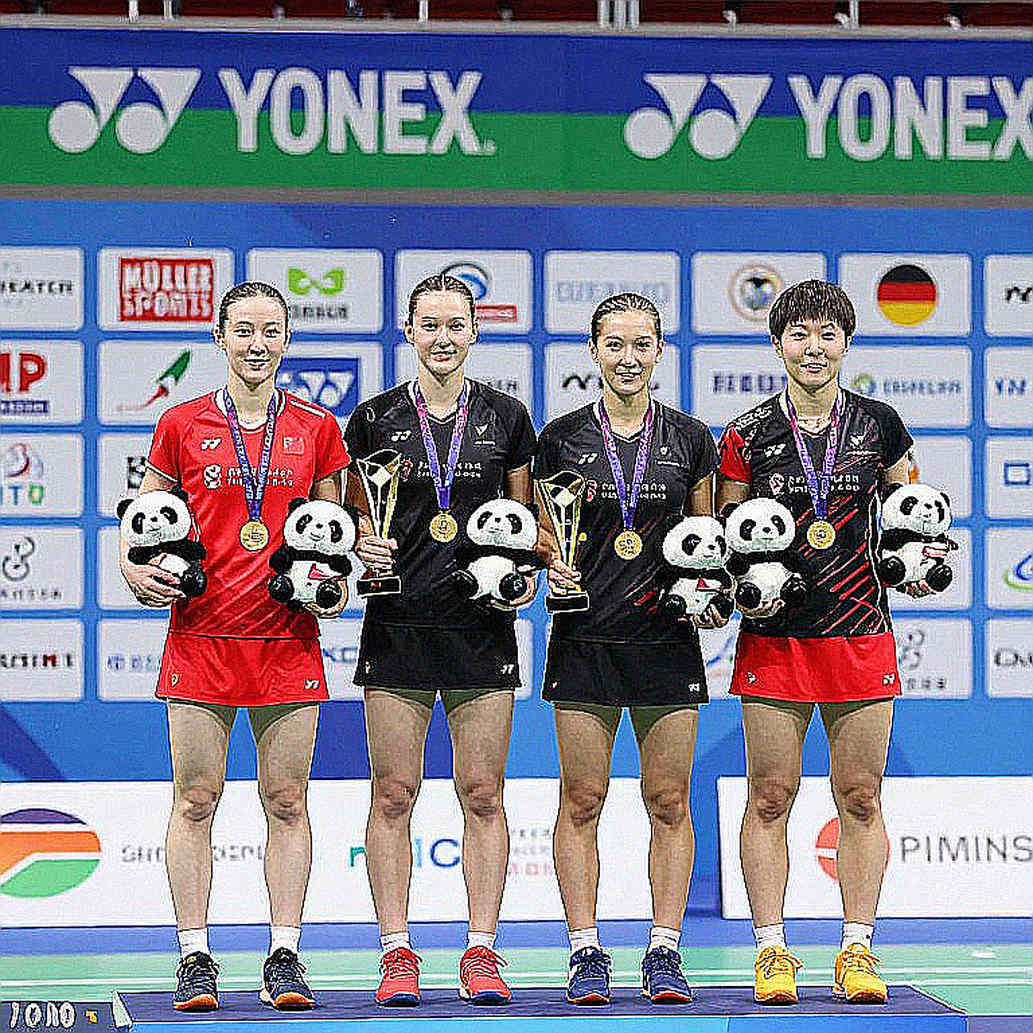
The inconsistency is in the clock, not the scores. The deciding game was the shortest of the three and yet the widest by margin. A short game with a wide margin means one of two things — either the rallies were artificially shortened, or one side's errors simply accumulated faster. The score sheet does not tell you which. Khel Now's report of 25 September 2026 records that defending champions Satwiksairaj Rankireddy and Chirag Shetty exited the Asian Games 2026 men's doubles in the first round to Thailand's Pakkapan Teeraratsakul and Peeratchai Sukphun, ranked World No. 36. The fourth-seeded Indian pair became one of the biggest upsets of the tournament.
My first instinct is not to argue but to map the noise.
Table 1 — Match architecture
Game 1: 20 min, 21-12 India — controlled, first-strike advantage. Game 2: 24 min, 19-21 Thailand — the hinge, a close-point battle. Game 3: 19 min, 14-21 Thailand — a one-way collapse. Total: 68 minutes.
You cannot move forward without this table. In the game they won, India took 20 minutes. In the game they lost badly, 19. At the very moment the match slipped, their time on court fell while the points gap widened. This is not a fitness story. It is a first-three-shots story.
Context: the court, the cast, the clock
Asian Games 2026 is being staged in Aichi-Nagoya. Badminton here sits inside the Olympic Council of Asia's event framework while the technical laws are the world federation's. The meaning is plain: there is no ranking-points ladder, only medals and national standing. The tournament arrives every four years, and the individual events are single elimination. Lose one match and the tournament is over. According to the report, 25 September 2026 was Day 6. In men's doubles, India's principal hope was this one pair; pre-tournament coverage had framed them among India's biggest medal contenders, with fourth-seed draw protection in hand. That protection ended in Round 1.
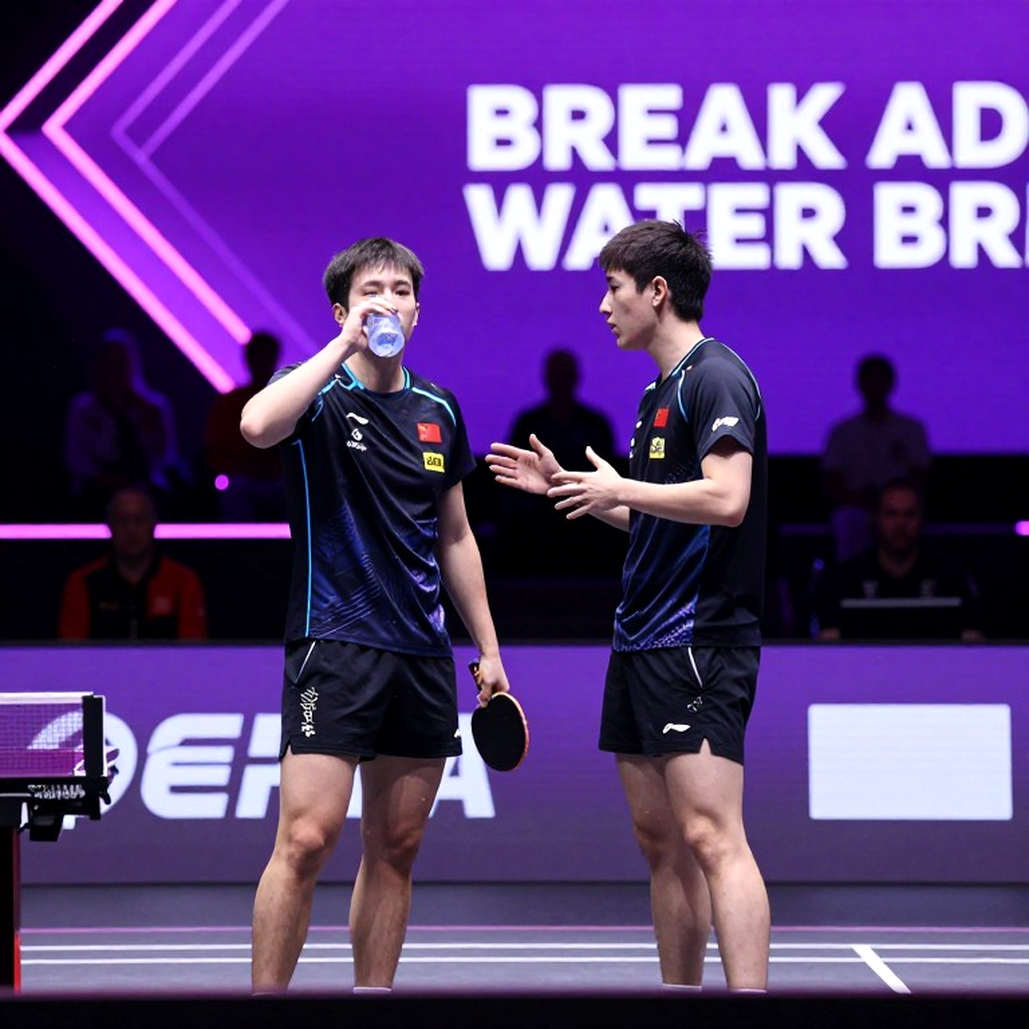
The opponents could not be discounted. Thailand's doubles pipeline has been climbing for years; flat exchanges, mid-court pressure and continuity are their language. A World No. 36 ranking says little in this event, because the No. 16-40 band in Asian men's doubles has closed in fast. This match is a sample of that closeness.
On the same day, India's mixed doubles pair (Kapila and Crasto) beat Malaysia's Goh Soon Huat and Lai Shevon Jemie to reach the quarter-finals, where a Chinese top seed awaited. India's campaign was therefore not uniformly bad; the headline event failed. Miss that distinction and the next week's debate turns in the wrong direction.
The S-axis: geography of three games
For years I have watched from courtside with one habit — I draw the shuttle's path before I read the score. What I call the S-axis in badminton is the court's longitudinal line: the line along which the shuttle travels from one back court to the other, and the same line along which a player recovers. The real accounting of a match lives on that axis. Not the shot, but the step after the shot.
The 21-12 opener was not merely the fruit of attack; it was control of the opening exchange. The Indian pair's identity — Satwik's rear-court power, Chirag's front-court interception — worked precisely when the first two or three shots already built the attacking footwork. A 20-minute game means short rallies. In short rallies, the stronger attacking pair holds maximum advantage.
In game two the clock stretched to 24 minutes while the points fell away: 19-21. Those extra minutes and that two-point margin are the hinge. The most expensive place for a favoured pair is a deuce-adjacent game immediately after a one-sided win, because both sides know how misleading the previous score was. Thailand did not lengthen the rallies in that game; they widened them — holding the shuttle in the flat mid-court band. In football terms this is the half-space; in badminton its equivalent is that flat belt between the two players, not along the sideline but through the corridor between them. I opened the Rangpur half-space file and found a neighbourhood coaching session: coaches there teach the rear-court smash, but rarely teach the recognition of that mid-court corridor. In an Asian Games first round, that corridor came back.
Game three's 14-21 and its 19 minutes must be read together. This is not the picture of a physical fade. In a 68-minute match, a 19-minute third game means the rallies got even shorter — Thailand raised the tempo and India, trying to match it, began to release the shuttle. The greatest fear of a power pair is an opponent who converts the match from a power test into a speed test. Speed play uses less of the rear-court engine; decisions arrive in fractions of a second, and continuity wins there.
I also state plainly what I cannot say, because opening a file means admitting to blank pages. I have no smash-speed data from this match. No average rally length. No net-win rate. No unforced-error count. No record of who seized the attack from serve-receive. Without those five data points, the 14-21 decider can be read as a decision breakdown, a physical fade, or a tactical defeat. All three are possible; the evidence for each is incomplete.
Croatia returns here. Writing about Croatia's 2026 World Cup midfield rotations taught me how a single rotation becomes the cause of the next five events. Croatia, a small population, built role specialists — a player given one job, and repeating it. Doubles needs the same role translation: who lifts the first shuttle, who holds the flat exchange, who changes the angle on the third shot. Without that translation, the ranking is irrelevant and defeat does not take long. The No. 36 pair forgot the previous score and simply played the role. The defending champions remembered the score and could not play the role.
One further structural note: the Asian Games does not follow the World Tour points ladder. A first-round loss may not cost much in ranking points, but the cost sits elsewhere — on a quadrennial, Olympic-scale stage where you are the reigning champion. That loss is entered not in the points ledger but in the institutional one.
What the opponent did was not new — what is new is who can do it
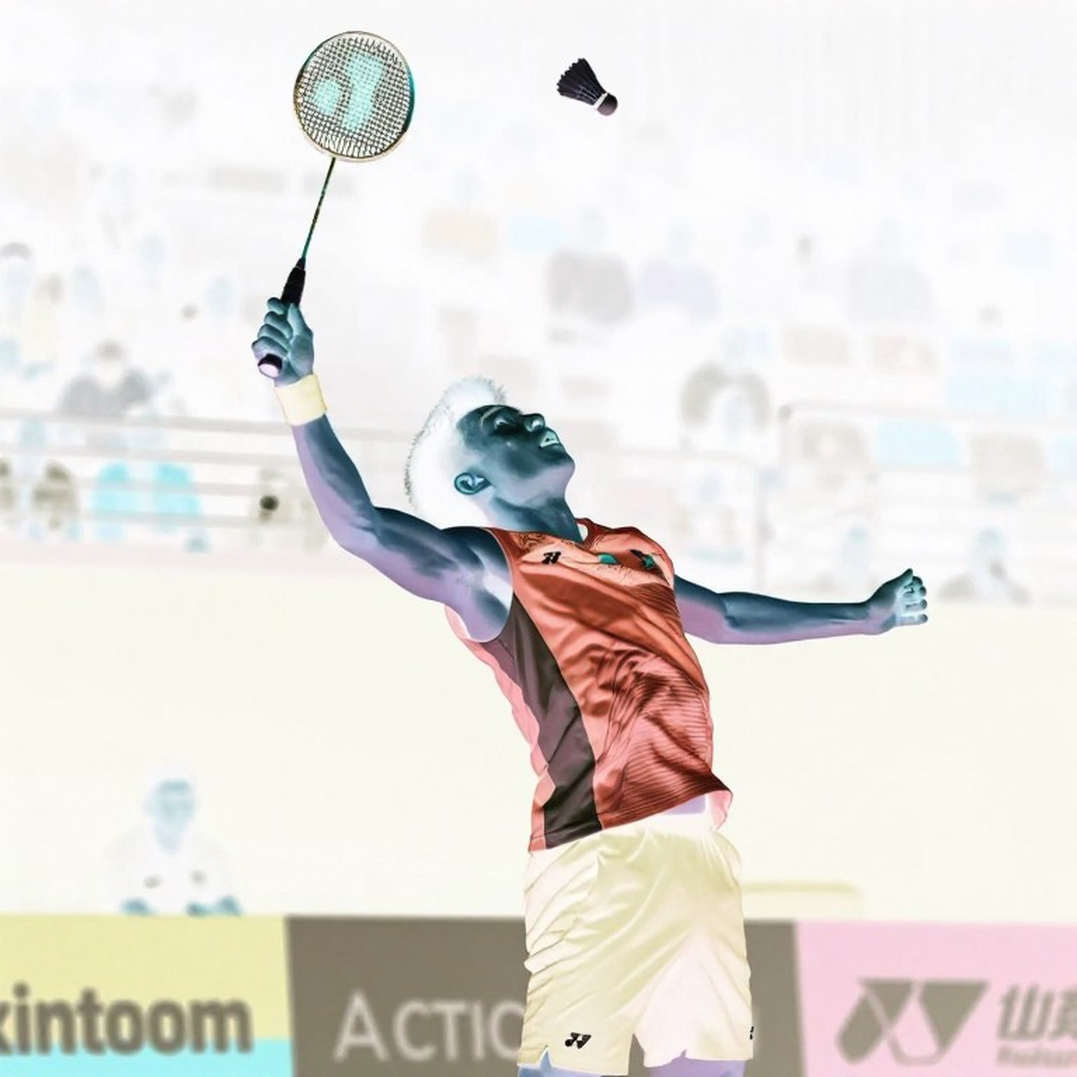
Men's doubles has long been badminton's least predictable event. Indonesia, China, Korea, Malaysia, Japan, Denmark — and now Thailand and Chinese Taipei have built density beyond that ring. The band that once merely participated can now win matches. Here a No. 36 pair beat the fourth seed. That is not an isolated event; it is the consequence of the flat-exchange school. For those who have made mid-court speed and continuity their weapon, the cost of toppling a physically stronger pair is low, because speed is not an achievement — it is a habit.
For India the structural question crystallises here. In men's doubles India has one main door, and the door rests on one pair's shoulders. The weakest moment for a single-flagship structure is the first round — no backup, no insurance, only elimination. On the courts near my home, young players are taught power; the patience to hold a flat exchange is taught much later. Pipeline depth comes from that patience, not from trophies.
Contrarian angle: not an upset, a reckoning with the clock
Everyone will call this an upset. I will not. The word is used when a result falls outside the structure. Here the structure predicted the result; nobody wanted to hear it.
First, a fourth seeding is an administrative status, not a playing guarantee. It removes opponents from your draw, not from your court. Second, conceding 19-21 in game two and then 14-21 in game three means whatever was said at the interval did not reach the court. Third, the real story of the day was buried — India's mixed doubles pair reached the quarter-finals.
One more caution: I will not call this Thailand's definitive rise. A single match cannot measure a national structure — just as it cannot announce the decline of Satwik-Chirag. The quality of evidence is limited, but the direction is clear: without learning the flat-speed language, power alone will not keep the door shut in men's doubles. The Thai pair's ranking is probably below their current level. I have no data for that correction, only a direction.
What to watch next
In the next tournament I will watch the first six shots, not the score. Whether Satwik-Chirag change their serve-receive positioning, and which mechanism they press when an opponent raises the tempo in game two — that is the first page of the next file. Game two took 24 minutes; game three took 19. For anyone who reads those two numbers together, the question is already clear: whose hand shakes in the nineteenth minute next time?