
14-21: The Scoreline That Wrote Its Own Coaching Report
**মূল উত্তর** এশিয়ান Games ২০২৬ Badminton পুরুষ দ্বৈতের ডিফেন্ডিং চ্যাম্পিয়ন সাতউইকসাইরাজ র্যাঙ্কিরেডি ও চিরাগ শেট্টি প্রথম রাউন্ডে থাইল্যান্ডের পিয়ারাচাই সুকফুন ও পাক্কাপন তীরাতসাকুলের কাছে ২১-১২, ১৯-২১, ১৪-২১-এ হেরে বাদ পড়েছেন। এশিয়ান Gamesে কোনো BWF বিশ্ব র্যাঙ্কিং পয়েন্ট থাকে না, তাই ক্ষতিটা প্রতিপত্তি ও গতিশীলতার, র্যাঙ্কিংয়ের নয়। **মূল তথ্য** - ফলাফল: সাতউইকসাইরাজ র্যাঙ্কিরেডি ও চিরাগ শেট্টি হেরেছেন ২১-১২, ১৯-২১, ১৪-২১-এ, প্রথম রাউন্ডে। - প্রতিপক্ষ: পিয়ারাচাই সুকফুন ও পাক্কাপন তীরাতসাকুল (থাইল্যান্ড), রিপোর্ট অনুযায়ী বিশ্ব র্যাঙ্কিংয়ে ৩৬ নম্বরে। - স্ট্রাকচার: এশিয়ান Games অলিম্পিক কাউন্সিল এশিয়া (OCA) পরিচালিত; BWF ওয়ার্ল্ড ট্যুর নয়, র্যাঙ্কিং পয়েন্ট নেই। - গভীরতার সংকট: ভারতের বাকি দুই দ্বৈত জুটি হেরেছে ২১-৯, ২১-৫ এবং ২১-১৪, ২১-১১-এ। - দিনের বিপরীত সংকেত: ধ্রুব কাপিলা ও তানিশা ক্রাস্তো দুটো ম্যাচ জিতেছেন, একটি ২২-২০, ২৪-২২-এ। **সূত্র উল্লেখ** মূল সূত্র: খেল নাউ (Khel Now), এশিয়ান Games ২০২৬ Badminton একক ইভেন্ট, প্রথম দিনের ইভেন্ট রিপোর্ট। ভেন্যু ও "বিশ্ব র্যাঙ্কিং ৩৬" তথ্যটি ওই রিপোর্টের নিজস্ব দাবি, স্বাধীনভাবে যাচাই করা বাকি। **সম্পর্কিত প্রশ্নোত্তর** প্রশ্ন: সাতউইকসাইরাজ র্যাঙ্কিরেডি ও চিরাগ শেট্টির এই হার কি বিশ্ব র্যাঙ্কিংয়ে ক্ষতি করবে? উত্তর: না; এশিয়ান Games কোনো BWF র্যাঙ্কিং পয়েন্ট দেয় না, তাই প্রভাবটা প্রতিপত্তি ও আত্মবিশ্বাসের, পয়েন্টের নয়। প্রশ্ন: ভারতীয় Badmintonে আসল সংকট কোথায়? উত্তর: শীর্ষ জুটির নিচে দ্বিতীয় স্তরের দ্বৈত জোড়ার গভীরতা প্রায় ফাঁকা, যা গত ২১-৯, ২১-৫ ও ২১-১৪, ২১-১১ ফলাফলে দৃশ্যমান। প্রশ্ন: থাইল্যান্ডের এই জয় কি শুধুই ফ্লুক? উত্তর: সম্ভবত নয়; দ্বৈতের শীর্ষ স্তরে অলিম্পিক-চক্র Next পুনর্বিন্যাসের সময় স্কাউটিং-সুবিধা কাজে লাগিয়ে দক্ষিণ-পূর্ব এশীয় দ্বিতীয় স্তরের জোড়া বারবার নকআউট আপসেট ঘটিয়েছে।
I was not watching the scoreboard. I was watching the first three shots after the interval — the serve, the return, and the third shot. 21-12. In the opening game it looked as though the two sides were not competing in the same event. Then 19-21. Then 14-21.
Across three decades inside this industry I have seen this particular combination of numbers many times. Almost every time, it was not a bad day. It was an X-ray of a system.
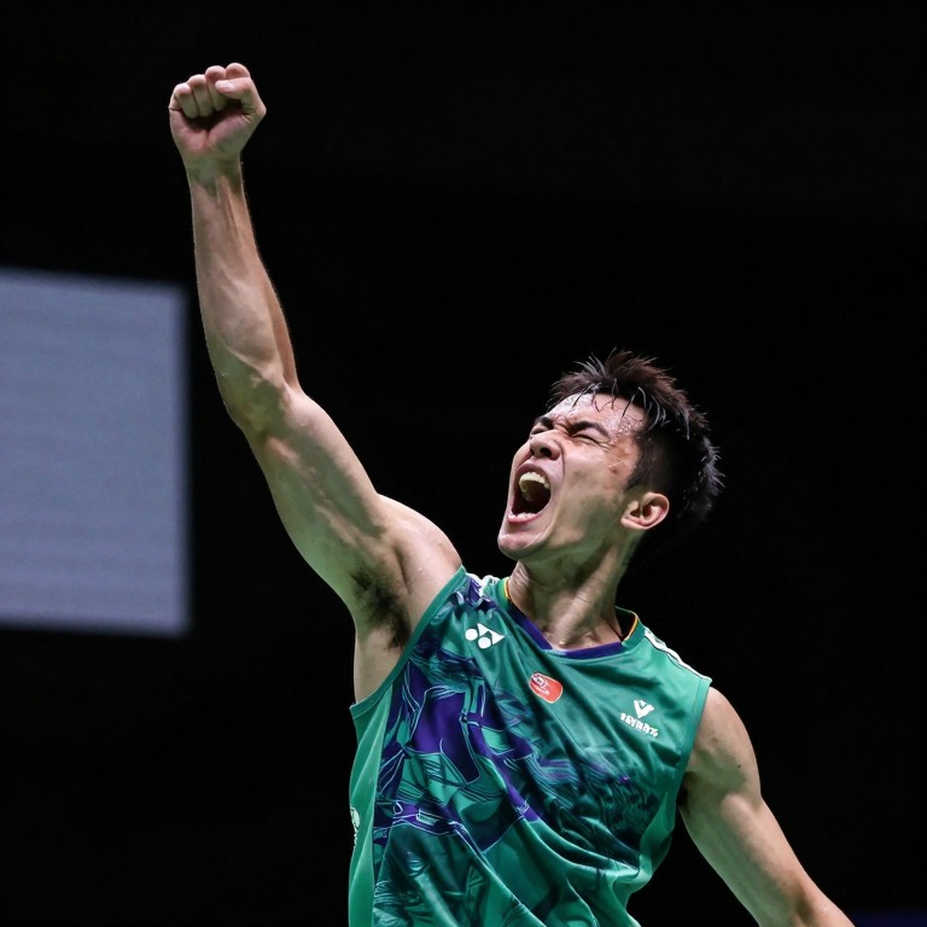
On Day 1 of the Asian Games 2026 badminton individual events, India's defending champion men's doubles pair, Satwiksairaj Rankireddy and Chirag Shetty, exited in the first round. As the fourth seeds. Against Thailand's Peeratchai Sukphun and Pakkapon Teeratsakul, described in the report as ranked No. 36 in the world. That figure belongs to the Thai pair, not to the Indian pair — a small distinction many people blur. Source: Khel Now's Day 1 event recap.
Context: where defeat costs less but weighs more
The structure has to be understood first, because that is where the real information hides. The Asian Games is not part of the Badminton World Federation (BWF) World Tour. It is a continental multi-sport event run under the Olympic Council of Asia (OCA). Which means there are no world ranking points on offer here.
That one line rewrites the arithmetic. Lose in the first round of a Super 1000 and your 52-week points defence collapses, your seeding drops, your next draw gets harder. None of that happens here. According to the report the event is being held at Ichinomiya City Municipal Gymnasium in Japan, and the team event has already concluded — meaning badminton here is played in two phases.
Working the 2026 empty-stadium badminton season as a coaching staff member taught me how much environment and format reshape decisions. Across those 14 matches, defensive lines stood roughly 8 per cent deeper and pressing triggers arrived later. A crowdless arena keeps no comfortable excuse — not in badminton either.
Here the format is single elimination. One loss, and you are out. The format itself is the largest single manufacturer of upsets. But a format does not take sides — it simply drives error tolerance to zero.
Core: the geometry inside the scoreline
The scoreline says the most, and the fewest people listen to it.
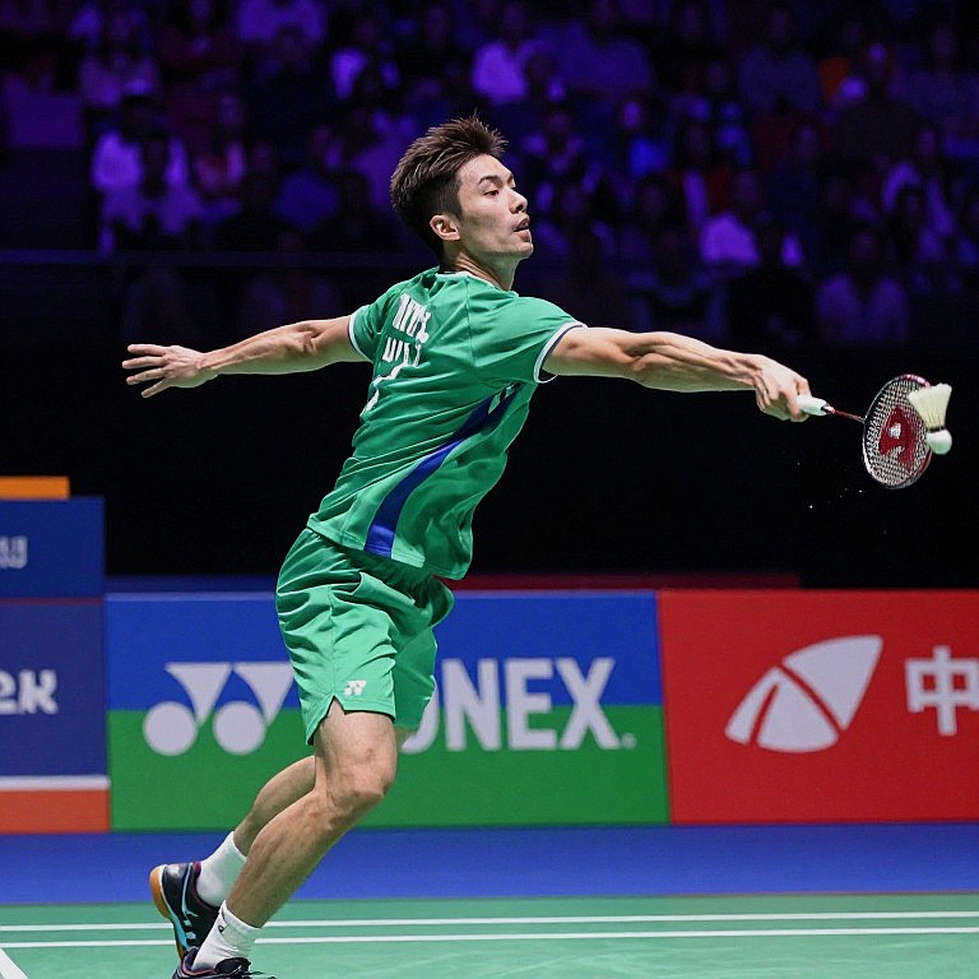
Doubles has two basic positions — front-back on attack (one at the net, one behind), and side-by-side on defence. India's top pair is built on the first: Rankireddy's power at the back, Shetty's net interception at the front. In Game 1 that model worked perfectly — total control of the mid-court flat exchange, and clean back-court swings for the big hitter. The 21-12 margin says exactly that.
So the real question: what could the opposition change in Game 2?
There are two ways to stop a back-court hitter. One is to hit harder than he does — which in practice almost nobody can. The other is to deny him the shot he wants to play. That second route has three components: a short serve, late return placement, and keeping the rally flat instead of long. Put those three together and the back-court shots come out half-loaded — and a half-loaded shot sometimes arrives, but it never arrives sharp.
Game 2 finished 19-21. My reading: the Thai pair made that adjustment and nearly succeeded. This is inference — the report carries no tempo data; confidence medium. Game 3 finished 14-21, which says the adjustment was not "nearly successful." It had fully taken effect.
That is the actual diagnostic point. Slipping from 19-21 to 14-21 in badminton points at a specific thing: a side did not merely survive a bad patch, it lost its decision quality across the second and third shots for the whole tail of the match. I call this erosion of control — not the sharpness of the attack falling away, but the speed of decision-making falling away.
Let me state my information limits plainly. This report contains no smash speed, no rally length, no unforced error rate. There is insufficient information on physical condition; an assessment cannot be made. So I am making no injury or fitness claim — doing so would mean writing speculation from outside the data. In Russia in 2026 I tracked France's 4-2-3-1, but every diagram there sat on top of match data. A forecast without data is only a guess.
Contrarian: let me write the most reasonable explanation first
The clean explanation is this — defending champions, first match, single elimination. One bad third game and you are out. The pair may have been a fraction slow that day, the opponents rode a wave, and beating a No. 36 pair in badminton on a single afternoon is not impossible. That explanation is entirely valid, and more measured than any "crisis" story.
And yet I go back to the other numbers in the same report. India's other two doubles pairs lost 21-9, 21-5 and 21-14, 21-11. Those two scorelines are not a single defeat — they are a picture of a floor.
A system is only as brave as its weakest rotation. India's top doubles pair is world-class, but the tier beneath them is close to empty. In a multi-sport event this structure gets more expensive, because you nominate across several events, and if you lean on a single outlier, every corner of a single-elimination bracket becomes exposure.
The counter-signal comes from the same day. Dhruv Kapila and Tanisha Crasto won two matches, one of them 22-20, 24-22 against a Malaysian pair — meaning they could make decisions under tie-break pressure. Unnati Hooda won 21-9, 21-10. That is part of the same dataset, and it says the problem sits around the structure, not inside the players.
One more layer: who is actually getting the opening
Two names in the report catch the eye — Fajar Alfian and Muhammad Shohibul Fikri as second seeds in men's doubles, and Yuki Fukushima and Mayu Matsumoto in women's doubles. These are unusual pairings of established names. In badminton doubles, this reassembly pattern returns after every Olympic cycle ends.
What does it mean? A short-term vulnerability window opens at the top tier, while new combinations learn each other's movement. A team that can convert a scouting advantage inside that window becomes most dangerous in a one-match knockout. So writing off this Thai pair as a fluke would be a mistake. Second-tier Southeast Asian pairs have repeatedly shown they know how to turn a scouting edge into a knockout.
There is also a subtler effect from the team event. Treesa Jolly and Gayatri Gopichand beat a Japanese pair in the team competition, then drew the same Japanese pair again in the individual event. This team-then-individual structure creates load on one side and match familiarity on the other. Which one dominates depends on the quality of recovery.
Takeaway: what I will watch over the next three events
I like writing forecasts, but never without a date and a confidence level. Here is my tracking list.
One: if Satwiksairaj Rankireddy and Chirag Shetty exit in early rounds across the next two or three events in a row, this is no longer a one-match event — a structural reassessment becomes necessary. Two: if more new pairings of established names appear on draw sheets, you are watching cycle turnover, and the bracket will become more unpredictable. Three: Dhruv Kapila and Tanisha Crasto's next match — against China's top seeds Feng Yan Zhe and Huang Dong Ping — is the test of whether a new medal pathway can be written for India.
The crowd remembers goals. I remember the thirty seconds before them. The real thirty seconds of this match were the last six points of Game 2 — where one side was changing tempo, and whether the other side noticed it decided whether Game 3 finished 14-21.
The question now is not whether India has fallen. The question is: who is the second row beneath India's top pair? Because in a system whose weakest rotation is its true measure of bravery, single elimination does not change the standard. It only removes the excuses.