
The Gifu Ledger: Two Wins, and the Thin Line Underneath
**মূল উত্তর:** গিফুতে এশিয়ান Gamesের গ্রুপ পর্বে বাংলাদেশ হকি দল শ্রীলঙ্কাকে ৫-১ ও ইন্দোনেশিয়াকে ৩-১ গোলে হারিয়ে পরপর দুই ম্যাচ জিতেছে। তবে চার ম্যাচে ৯ গোল করে ১৩ খেয়েছে, গোল-Average ঋণাত্মক। **মূল তথ্য:** - ২৮ সেপ্টেম্বর ২০২৬ গ্রুপের শেষ ম্যাচে প্রতিপক্ষ ভারত, স্থান গিফু। - দক্ষিণ কোরিয়ার কাছে ০-৫ ও জাপানের কাছে ১-৬ হেরেছে বাংলাদেশ। - আমিরুল ইসলাম পেনাল্টি কর্নার বিশেষজ্ঞ, ইন্দোনেশিয়ার বিপক্ষে দুই গোল তাঁর। - রাসেল মাহমুদ জিমি দেড় বছর পর ফিরে ৩৭তম মিনিটে ফিল্ড গোল করেছেন। - ৩-০ ব্যবধানে ইন্দোনেশিয়া পেনাল্টি স্ট্রোক পায়, ফাতুর তা রূপান্তর করেন। **সূত্র:** এশিয়ান Games হকি ম্যাচ-রিপোর্ট ও টুর্নামেন্ট ফলাফল ভিত্তিক বিশ্লেষণ ব্রিফ, প্রকাশ ২০২৬। **সম্ভাব্য Next প্রশ্ন:** প্রশ্ন: বাংলাদেশের পরের ম্যাচ কবে এবং কার সঙ্গে? উত্তর: ২৮ সেপ্টেম্বর গিফুতে গ্রুপ পর্বের শেষ ম্যাচে ভারতের বিপক্ষে। প্রশ্ন: বাংলাদেশ কেন দুই জয়ের পরেও দুর্বল প্রতিপক্ষের বিরুদ্ধে জিতেছে বলা হচ্ছে? উত্তর: কারণ দুই জয় এসেছে গ্রুপের নিচের দুই দল শ্রীলঙ্কা ও ইন্দোনেশিয়ার বিরুদ্ধে, আর উপরের দুই দলের কাছে হার ০-৫ ও ১-৬। প্রশ্ন: বাংলাদেশের গোল নির্ভরতা কার উপর? উত্তর: মূলত পেনাল্টি কর্নার বিশেষজ্ঞ আমিরুল ইসলামের উপর, যা এক-বিন্দু নির্ভরতা তৈরি করে।
In the 11th minute at the Gifu turf, when the ball hit the net, I was standing beside the stands jotting the time down in my notebook — 11', penalty corner, Amirul Islam. I did not write the next line, but it circled in my head the rest of the evening: how much of this team's goal ledger is written in one man's name. Four matches on, my page reads like this — 0-5 to South Korea, 1-6 to Japan, 5-1 over Sri Lanka, 3-1 over Indonesia. The arithmetic resolves to nine scored, thirteen conceded. The headline of two consecutive wins is true and cannot be bent. But that 9-13 ledger sits quietly under those two headlines, like a thin line nobody chooses to read.
On 28 September, the final group match against India. Before that, the inside of these two wins needs digging, because counting wins alone will not tell you what is waiting.
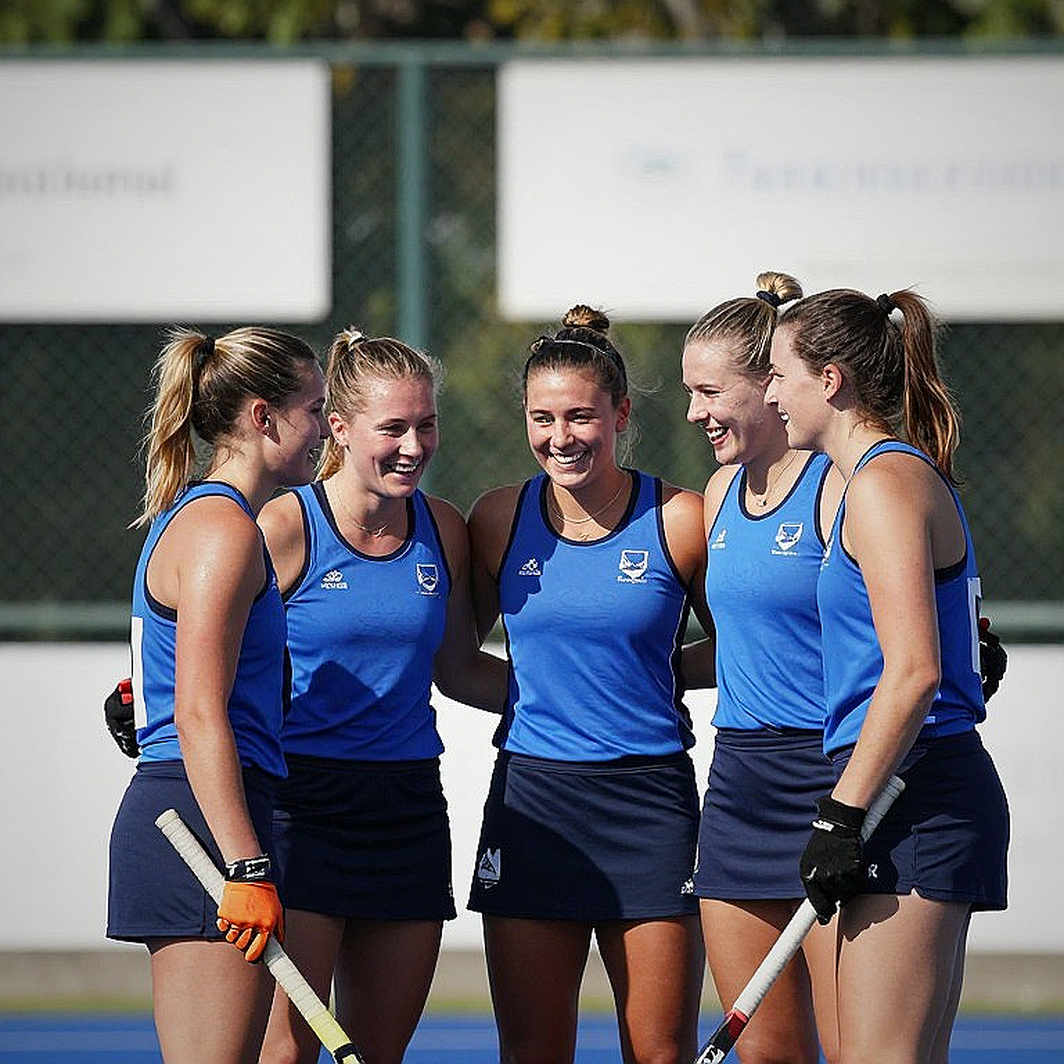
The Asian Games hockey tournament in Gifu is not merely a page inside a continental multi-sport event. It sits in the LA 2028 cycle as one of hockey's major continental qualifying windows, and that weight presses on every match — especially for a side that has few continental opportunities to count. Bangladesh's group is mixed in quality: South Korea and Japan on the upper tier, Sri Lanka and Indonesia below. Nothing worth seeing came out of the first two games, and for Japan you have to add the host advantage. Then came the two wins.
I have kept the beat in Dhaka for eight years, and in those eight years I built one habit: beside every result I write, in small letters, who the opponent was. Because a truth about any ranking table is that two straight wins against two different tiers of opponent never carry the same weight. After four group matches Bangladesh's goal difference is negative — the joy of winning stands, but that number stays cold.
One thing must be said plainly here: these figures rest mainly on match reports and tournament results. Possession, shots, circle entries, penalty corners won and conceded — none of it is in my hands. Even after four matches, those of us keeping the ledger from the tribune hold an incomplete picture. Which goal came from a corner routine and which came from open flow, I have to infer. This is the least-discussed side of sport's datafication: betting feeds run on live data, while the person who has to write the story receives only a scoreline and a clock.
Bangladesh's penalty-corner attack was sharp in this match, but the reason is not the team's system — the reason is one man's stick. The report names Amirul Islam as a penalty-corner specialist, and he scored twice. Set-piece advantage is repeatability; set-piece danger is that it is tied to one player's foot. Strong Asian sides read exactly this: they cut the injection line before the pressure arrives. If Amirul is neutralised in any given match, the alternate page of Bangladesh's set-piece plan has not been written yet.
The second important name is Russell Mahmud Jimi, because his goal came outside the set piece. He returned after a year and a half out of the national side, and the field goal in the 37th minute is the cleanest open-play signal in this whole file. Jimi's return is simultaneously good news and a question — pulling a forward back from eighteen months away and expecting immediate international rhythm is not simple, and one goal does not prove it. But finding the ball and finishing it against Indonesia is not a small thing. If the goal ledger holds only corner pages, opposing defences settle in; against Korea and Japan, that door closes within ten minutes.
The timeline deserves its own look. The first goal in the 11th minute, the second in the very first minute of the third quarter, the third in the 37th, the match settled by the 48th. A goal in the opening minute after the break can mean two things: something genuinely changed at half-time, or the restart was simply played fast. Which one, this notebook cannot say — that is my inference, not evidence. What the timeline does show is control of tempo. At 3-0 the team stopped looking back.
One gap remained, and it showed in a match they won. Leading 3-0, Bangladesh conceded a penalty stroke, and Fatur converted it. Three-nil becoming three-one, in a winning match. Losing defensive concentration after taking a lead is not a new disease in this side, and against the likes of Korea and Japan that gap costs three times more — the 0-5 and 1-6 scorelines say so. The pathway to the stroke decision also leaves me uneasy. A video referral does not make a decision immaculate; it relocates the doubt. The phrase clear and obvious error sounds precise, but in practice the judgment stays human. Hockey has this in common with other sports: the rule moves the responsibility, not the decision.
On defence, one more thing: Indonesia won a single stroke, but why could sides like Sri Lanka and Indonesia keep entering the circle at all? I cannot answer, because no circle-entry or penalty-corner counts were published. What I can say is that Bangladesh never surrendered the lead, yet repeatedly came under pressure on the first outlet pass after regaining the ball — an eye observation, not a number.
Now the reading that usually goes unwritten beside these two wins. The outside reading: Bangladesh have won two in a row, the team is turning a corner, the corner routine works. The inside reading: the wins came against the two weakest sides in the group, and after two wins the team is roughly where it was, because the margins in the losses above them are too large for two scorelines to cover. Anyone reading two consecutive wins should ask one question: nine scored and thirteen conceded across four matches — is that the ledger of a winning team? The pipeline's ledger answers that, and it is old news. Junior AHF Cup success is not new to Bangladesh — 2026, 2026, 2026. But when a player crosses twenty-one, which house is waiting to receive him? Some go into services, some chase jobs, and the quiet arithmetic of three-hundred-dollar sticks and five-thousand-dollar goalkeeper kits was settled long ago.
In twenty-seven years the Dhaka Premier League has produced thirteen editions; 2026 to 2026 are wholly absent, and 2026 ended with joint champions. The country's only genuine hockey turf is Maulana Bhasani, and even that single stadium could not keep the league's calendar honest. When a league loses its rhythm, the senior player loses the daily standard against which he measures himself. Then the international window arrives, and the team discovers its goals come only from the corner routine. I would call that single-point dependency, not a system. A system means a second routine when Amirul is absent, a third path when Jimi is marked. In a system, failure is shared. Here, one blocked penalty corner and the whole attack seems to forget how to breathe.
In group play that arithmetic still works, because one open path against two weak opponents is enough. In the next phase the opponent reads it early, and it becomes clear how heavily this rests on one foot. What happened against Korea and Japan deserves to be remembered plainly — 0-5 and 1-6.

The India match on 28 September is therefore not a continuation of two wins. It is the match where this team can genuinely be seen, whatever the result. India sit on the upper floor of Asian hockey, and Bangladesh will stand in front of them in the final group game, possibly on tired legs. Before that, one question I ask myself from the tribune every day: when Bangladesh meets the likes of Korea and India, can we say we have a game of our own, a mark to stand on — or do we have to recognise ourselves each time in the opponent's mirror?