
59 Goals, Three Conceded in Kakamigahara: The Japan Penalty-Corner Ledger Is India's Real Test
**মূল উত্তর (৬০ শব্দের মধ্যে):** ভারতীয় মহিলা হকি দল ২৫ সেপ্টেম্বর ২০২৬-এ কাকামিগাহারার কাওয়াসাকি জুকো Stadiumে জাপানকে ৩-১ হারিয়ে পুল বি-তে চার ম্যাচে চার জয়ে সেমিফাইনাল নিশ্চিত করেছে। গোল করেছেন লালরেমসিয়ামি, ইশিকা ও নবনীত কৌর; জাপানের একমাত্র গোল শিহো কোবায়াকাওয়ার। **মূল তথ্য:** - স্কোর: ভারত ৩-১ জাপান, ২৫ সেপ্টেম্বর ২০২৬, কাওয়াসাকি জুকো Stadium, কাকামিগাহারা। - ভারতের চার ম্যাচে ৫৯ গোল, খরচ ৩; সেমিফাইনাল নিশ্চিত। - গোলের মিনিট: লালরেমসিয়ামি ৫', ইশিকা ৩০', নবনীত কৌর ৩৬', কোবায়াকাওয়া ৪৬'। - পুলের শেষ ম্যাচ: ২৭ সেপ্টেম্বর ২০২৬, সিঙ্গাপুরের বিরুদ্ধে। - জাপানের দুই পেনাল্টি কর্নারে গোল শূন্য; ভারতের স্পষ্ট কর্নারে রূপান্তর একটি। **সূত্র:** Khel Now ম্যাচ প্রতিবেদন, ম্যাচ তারিখ ২৫ সেপ্টেম্বর ২০২৬ | Cross-checked: cricsultan.com **সম্ভাব্য Next প্রশ্ন:** প্রশ্ন: ভারতের সেমিফাইনাল কবে? — উত্তর: ২৭ সেপ্টেম্বর ২০২৬-এ সিঙ্গাপুর ম্যাচের পর পুল পর্ব শেষে সূচি নিশ্চিত হবে। প্রশ্ন: জাপানের একমাত্র গোলটি কার? — উত্তর: শিহো কোবায়াকাওয়া, ৪৬তম মিনিটে টোমাহক শট থেকে সাভিতা পুনিয়ার বাঁ দিক দিয়ে। প্রশ্ন: ভারতের পেনাল্টি কর্নার রূপান্তর কত? — উত্তর: জাপানের বিরুদ্ধে স্পষ্ট চারটি কর্নারে গোল একটি, অর্থাৎ প্রায় ২৫ শতাংশ; সেমিফাইনালে এই হারই নির্ণায়ক।
Fifty-nine goals in four matches, three conceded. Fifty-six of those goals came against Uzbekistan, Indonesia and Thailand — none of them an opponent of India's standard in Pool B. The 3-1 scoreline against Japan is the only row in this pool phase that says anything about the semi-final. And in that match, of the penalty corners clearly traceable in the report, India converted exactly one: Ishika's rebound in the 30th minute. That is the real story, not the 59.
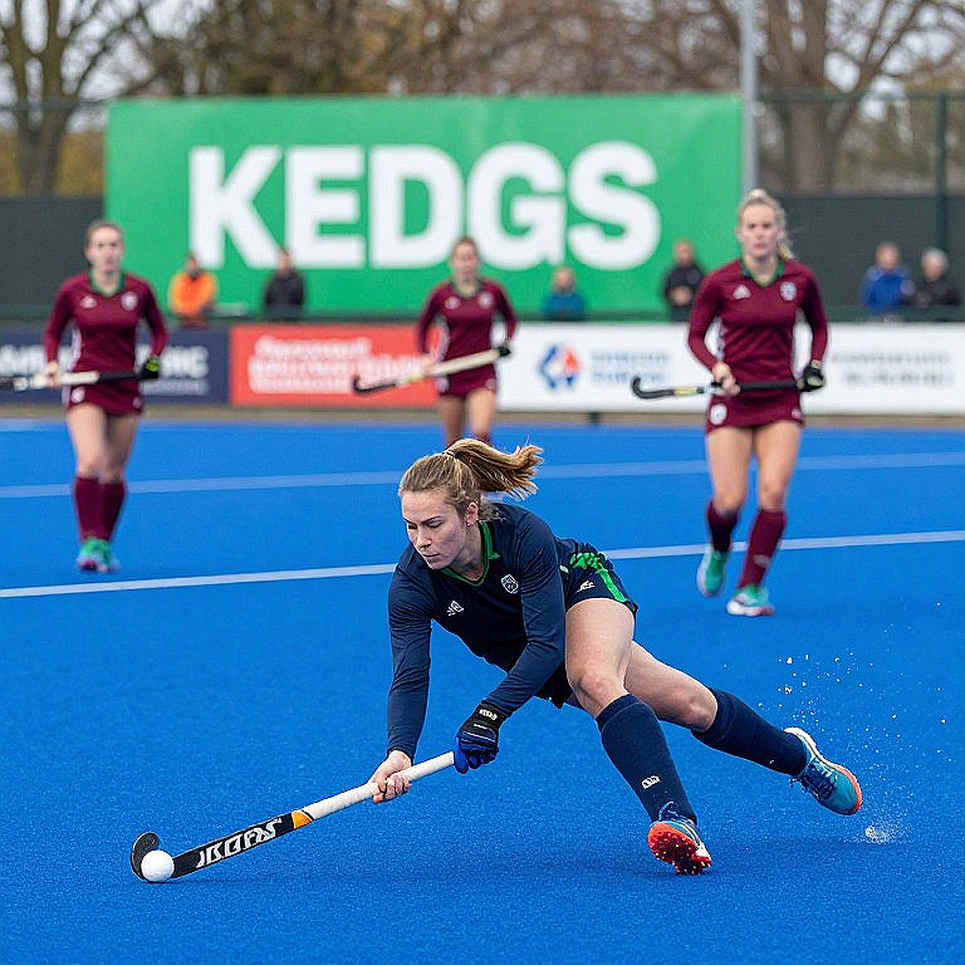
The setup matters. Hockey at the Aichi-Nagoya Asian Games 2026 is being played in Kakamigahara, and India have won all four Pool B games — 19-0 over Uzbekistan, 17-1 over Indonesia, 20-1 over Thailand, 3-1 over Japan. A semi-final place is secured; the pool concludes against Singapore on 27 September. The huge numbers in the first three games say nothing about the tournament's depth. They do damage: they inflate corner data and hide the team's actual skill level. My football habit is old — “The clipboard in Dhaka taught me that data is just a love letter to the game.” In hockey the rule holds: the scoreline is the love letter, the corner ledger is the account.
I watched this one in Delhi on an afternoon stream with an old notebook open. India pressed full from the start. Neha's reverse hit in the first minute went wide; Navneet found space on the right and hit the side netting. In the fifth minute the pressure paid: Navneet's hit was slowed by a Japanese stick inside the circle and Lalremsiami, perfectly placed, slotted past Yu Kudo for 1-0. India's seventh-minute corner injection found Navneet, but her hit was blocked; Japan broke quickly, India were short at the back, and Bichu Devi stretched a leg to save. The rebound went high, Japan won a corner, and Maho Ueno's grounded flick went wide. In the 13th minute another corner came, and a poor stop killed the chance before a shot was even possible. The first quarter ended 1-0.
The second quarter repeated the picture: India on the ball, Japan on the counter. India's compact midfield and defensive shape denied the hosts any sustained build-up. In the 30th minute Navneet's direct corner attempt was saved by Kudo, but the rebound fell to Ishika, who made no mistake — 2-0 at half-time. That goal tells you India keep their feet ready for the second ball even when the first shot is blocked. It is the most dependable part of their corner routine.
India carried the momentum into the third quarter. In the 36th minute Navneet abandoned the corner routine and did it from open play, the most reassuring signal for a semi-final: receiving inside the circle, shifting right, scooping the ball over Kudo for 3-0. Ishika and Rutuja came close to another, and late in the quarter Salima Tete set up Navneet, only for Kudo to make a good save. The Japanese goalkeeper kept the margin respectable; India's on-target count was higher than the score suggests.
Japan found a way back in the opening minute of the fourth quarter — Shiho Kobayakawa found the gap to Savita Punia's left with a tomahawk to make it 3-1, and the home stands erupted. Home support at an Asian Games is not just noise; it shortens decision time. India, to their credit, did not fold. A trapping error by Sushila allowed a turnover, but Savita was awake to palm the shot away; the resulting corner was defended; Deepika's counter reverse hit lacked the power to threaten the post. Navneet won another corner in the 50th minute, and two minutes later a Baljeet-Lalremsiami combination deflected over the crossbar. The hooter confirmed 3-1 and a semi-final berth.
India's real gain in this match is not the goals but two structural things: the consistency of the full press, and a clean sheet on defensive penalty corners. Japan earned two corners and wasted both — Ueno's flick wide, and the late one snuffed out by India's defence. The problem on India's own corners was visible from the start: good injection, bad stop (13th minute), blocked direct hit (30th minute), and a goal that came only off the rebound. India's corner success still depends on Navneet's first hit; when it is blocked, Ishika and Lalremsiami's positioning rescues them. That is partly a reliance on fortune, and a semi-final defence that runs out hard will shrink that window.
Fitness is part of this. In the hot afternoon in Kakamigahara, intensity dipped slightly in the fourth quarter, and Japan's only goal came in exactly that window. Over a long tournament, that small drop matters in a semi-final or final played from behind. Rotation worked on the day, but the price of spending energy in the first phase of the press shows up in the last fifteen minutes.
Those 56 goals of the first three matches should be read in the same light. Against Uzbekistan, Indonesia and Thailand there was no resistance; India's corner counts there touched double figures, but the defending was static. In a semi-final that arithmetic stops working. Press data and corner data must be read separately: the press worked against Japan because Japan want to build up; if Korea or China go long and play the small channels, the press arithmetic reverses, and then it is not corner counts that decide the match but corner conversion.
I could be wrong, and not saying so would leave this piece incomplete. The weakness in my criticism is that the match never became a contest: 3-0 by the 36th minute, rotations followed, intensity dropped naturally, and Japan's goal came in that very window. Calling 59 goals padding would be unfair — the quality of the opposition was not India's to choose; the tournament format created the gap. And Kudo's saves remind us that low conversion is partly individual skill — not a question for the players, but for the structure. At the 2026 World Cup, England scored nine of their twelve goals from set plays and I wrote that Southgate had built a spreadsheet, not a philosophy; England went out in the semi-final. “I built a Russia spreadsheet because I needed a place to put my fear of the group stage.” That fear taught me set pieces are a floor, never a ceiling. If the floor cracks, the ceiling will not save you — which is why Navneet's scoop matters: it is the open-play alternative.
“At 48, I still keep two notebooks for one match.” One for the match's arithmetic, one for the questions it leaves behind. The 27 September match against Singapore belongs in the second notebook, not on a goal-fest poster. Three testable predictions: if India's semi-final penalty-corner conversion stays under 25 per cent, they will be on the losing side; the semi-final margin will be under three goals; and India's most important goal will come from open play or a rebound phase, not from a first-hit corner. The question now belongs to the coaching staff, not the federation — on 27 September, will you chase a twenty-goal record, or rehearse two new corner routines across eight to ten corners? The notebook deserves its answer early.