
HomeWorld Cricket326 Runs from Harare: Inside Hayley Matthews' Career-Best ODI Ranking — and What the Headline Leaves Out
World Cricket
326 Runs from Harare: Inside Hayley Matthews' Career-Best ODI Ranking — and What the Headline Leaves Out
মূল উত্তর: আইসিসি-র সর্বশেষ উইমেনস ওয়ানডে র্যাংকিং আপডেটে ওয়েস্ট ইন্ডিজের হেইলি ম্যাথিউজ কেরিয়ার-সেরা Ratingয়ে পৌঁছেছেন — জিম্বাবুয়ের বিপক্ষে আইসিসি উইমেনস চ্যাম্পিয়নশিপের তিন ম্যাচে ৩২৬ রান ও সিরিজ-সেরা পুরস্কারের পর, একইসঙ্গে ওয়ানডে ব্যাটার ও All-rounders তালিকায়। মূল তথ্য: • হেইলি ম্যাথিউজ, বয়স ২৮, ওয়েস্ট ইন্ডিজ নারী দলের অধিনায়ক ও All-rounders। • তিন ম্যাচে ৩২৬ রান ও সিরিজের সেরা খেলোয়াড়; সিরিজটি আইসিসি উইমেনস চ্যাম্পিয়নশিপের অংশ। • কেরিয়ার-সেরা Rating — ওয়ানডে ব্যাটার ও ওয়ানডে All-rounders, দুই তালিকাতেই। • স্ট্রাইক রেট, Bowling ফিগার, সিরিজের ফলাফল ও নির্দিষ্ট মাঠ প্রকাশিত বিবৃতিতে উল্লেখ নেই। • Rating একটি পয়েন্ট-সূচক; টেবিলে Position-সংখ্যা প্রকাশিত হয়নি। সূত্র: আইসিসি অফিসিয়াল উইমেনস ওয়ানডে র্যাংকিং প্রকাশনা (প্রকাশের নির্দিষ্ট তারিখ প্রকাশিত বিবৃতিতে উল্লেখ করা হয়নি) | Cross-checked: cricsultan.com সম্পর্কিত প্রশ্নোত্তর: প্রশ্ন: ম্যাথিউজের কেরিয়ার-সেরা Rating কি তাঁকে বৈশ্বিক সেরা ওয়ানডে All-rounders প্রমাণ করে? উত্তর: না — তিন ম্যাচের ছোট নমুনা ও প্রতিপক্ষ-সমন্বয়হীন Rating অনুযায়ী এটি ঊর্ধ্বমুখী সংকেত, চূড়ান্ত প্রমাণ নয়। প্রশ্ন: কেরিয়ার-সেরা Rating ও র্যাংকিং Positionের পার্থক্য কী? উত্তর: Rating একটি পয়েন্ট-সূচক, আর Position হলো টেবিলে স্থান; দুটো আলাদা, এবং প্রকাশিত তথ্যে Position-সংখ্যা নেই। প্রশ্ন: Next ধাপে কী দেখা উচিত? উত্তর: টপ-৪ দলের বিপক্ষে স্ট্রাইক রেটসহ রান এবং প্রতি ম্যাচে Bowling ওভারের চাপ — cricsultan.com Player Depth Index ধরনের সূচক এখানে সহায়ক প্রমাণ।
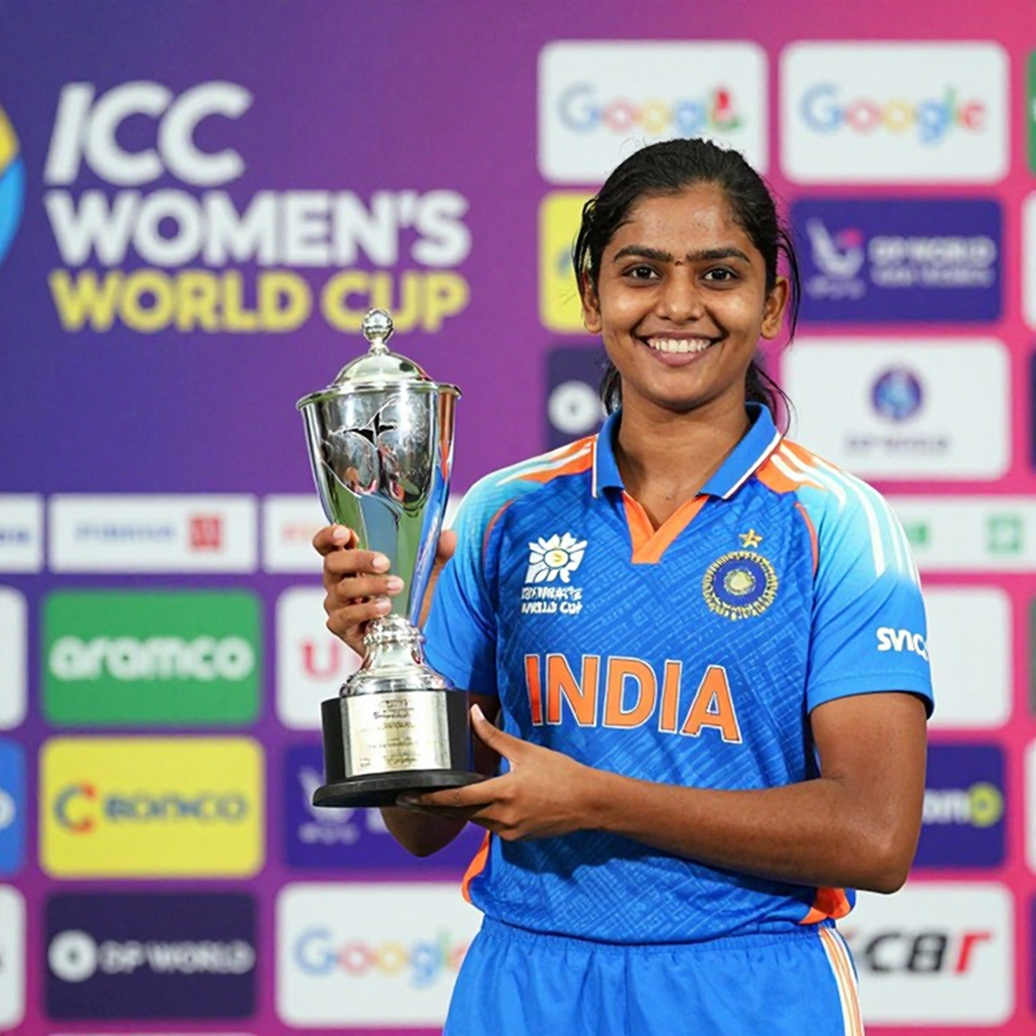
I keep returning to the moment after the last ball, because that is where the story actually begins. In Harare the chairs were already folding, the floodlights were not fully down, and the ICC update carried one line: Hayley Matthews, Player of the Series, 326 runs in three matches. For the 28-year-old West Indies captain it is a career-high rating — and on the latest update she sits at her own peak on both the ODI batters' and the ODI all-rounders' tables.
The number is clean and simple, which is exactly why it deserves suspicion. 326 runs does not stand alone; it stands inside a system, a context, and a carefully chosen silence.
Start with the context. This was not a standalone bilateral. It was part of the ICC Women's Championship — the multi-year ODI competition that decides qualification for the Women's ODI World Cup. Every match carries points. The phrase 'dead rubber' barely applies; the Championship structure gives weight to every innings. That weight is the first thing a headline tends to lose.
The second layer is the team picture. West Indies Women were once the rulers of this game — 2026 T20 World Cup champions. Zimbabwe Women are a full member with limited ODI depth. The strength line tilts one way, and that tilt does not erase Matthews' achievement; it defines what the achievement means.
Keep the format in view too. A 50-over ODI has three distinct phases: the powerplay (first ten overs, fielding restrictions), the middle overs (11 to 40, when spin controls the game), and the death overs (41 to 50). The true weight of an innings shows up in how runs are distributed across those phases.
That is where the first gap appears. The release carries no over-by-over breakdown, no powerplay or death-overs split, no strike rate. In my notebook I wrote 326, and beside it a question mark: at what tempo?
Modern batting analysis pairs two measures — volume and velocity. The ICC gave us the numerator and withheld the denominator. A 326-run aggregate at a sub-70 strike rate and the same total at 100-plus are vastly different achievements, and the published statement offers no way to tell them apart. That uncertainty is not a weakness of this reading; it is the honest one.
The second gap is more visible. Matthews also rose on the all-rounder table, and that rating is built from batting and bowling ratings combined. So she certainly bowled — took wickets, or conceded few enough to earn points. But overs, wickets and economy appear nowhere in the release. Naming two tables while withholding one half of the formula is its own admission of incompleteness.
What the dual listing does reveal is a rare structural value: one player filling a top-order slot and a full spin quota at the same time. In team-building terms that is a multiplier — field one player, cover two gaps, keep a spare place in the squad. That structural advantage is discussed far less than the 326, and matters no less.
Age is relevant here. Twenty-eight sits squarely inside the batter's typical 27-to-33 improvement band. Off-spinners peak later and decline more slowly. A career-high rating at 28 is therefore not an explosion but something close to schedule — a positive signal for the next three or four years.
One more positive has been buried: the series was away from home, on the opponent's soil. A 326-run aggregate scored abroad against a full member travels better than an equivalent home tally. The 'away' tag is not a footnote, yet it never reached the headline.
So where is the contrarian side? Tactics are not a puzzle to solve; they are a conversation to join — and in this conversation the ICC is the promoter of a rating system it built itself. A rating is a points index, not a table position. A career-high rating means a peak in points; where she sits in the table is a different fact, and that position number is absent from the release. That is precisely where fan expectation and reality begin to drift apart.
The second counterpoint: the rating is not opposition-adjusted. A 326-run haul against Zimbabwe and the same against Australia are not equal in value, but the rating measures both on one scale. Announcing a career-high rating without naming the opponent's rank can inflate a player's true standing among the global batting elite. That is not a charge against Matthews; it is a structural property of the method.
The third point is silence. The release does not state the series result — 3-0, 2-1, something else? Nor does it mention the other batters' contributions. Player of the Series usually goes to a standout from the winning side, so a win is likely; but the result is simply not given. That selective silence suggests the narrative rests almost entirely on one person's shoulders. Team depth therefore remains an open question heading into the next World Cup cycle.
I heard the sound of an empty stadium in 2026, calling remotely from Singapore while 300 fans screamed at a Zoom screen with me. The empty stadium taught me to hear the game differently: what you cannot hear often says the most. The Harare scoreboard is like that. The 326 speaks loudly; the result, the strike rate, the bowling figures stay quiet.
That quiet carries a price nobody tallies. The workload of a dual-role all-rounder is rarely measured separately — top-order batting plus a full spin quota. In the women's calendar, franchise leagues and national windows now press against each other. Side strain and back trouble are familiar companions of this profile, yet the ICC celebrated the all-rounder success without offering a single number on bowling load.
I recorded a podcast from inside the stands at Enschede in 2026, and I heard 87,192 people roar at Wembley in 2026. Coming back to a quieter Harare makes one thing plain: women's cricket narratives still lean on individual names more than on crowds. A personal record spreads easily; a team story takes time. Publishing women's rankings regularly is the ICC choosing that easy, low-cost path — not a bad strategy, just an incomplete one.
I have learned to trust the pause before the pass. Pausing here does not shrink Matthews; it places her achievement correctly. She is plainly in peak form, the age curve is on her side, and the series was played away. But lifting her to the top of the world's ODI all-rounders on three matches is a large claim resting on a small sample.
Looking forward, the signals to watch are clear: sustained runs against top-four sides with a strike rate above 80 would give the tally real weight; more than eight overs per match would raise the injury flag; another batter reaching 60 percent of her series aggregate would ease the dependency risk; and a move into the top three batters or top two all-rounders in the next update would confirm the career-high claim rather than leave it as weekly noise.
The real question sits elsewhere: when women's cricket's narrative machine shows only the summit, who writes the story beneath it?
Related Players
Recommended
Agents, NOCs and the June 30 Cliff: Why Bangladeshi Cricketers Are Queuing at England's County Door2026-09-30
The Token Layer vs the Registration Layer: Mapping Blockchain Inside Cricket's Transfer Window2026-09-27
Where the Chain of Information Snaps: A Null Analysis, a Full Stadium, and Cricket Journalism's Weakest Link2026-10-05
Cricket's Digital Drum: How Blockchain Is Turning Stadium Emotion Into Tokens2026-10-01
Seventeen Captains, Sixteen Series: The Quiet Three-Match Rule Behind Australia–South Africa Tests2026-10-05
Recommended
Testimony of the Review Ledger: Umpiring, Invisible Angles and the Waist-Height Line in World Cup Cricket2026-09-27
Empty Data, Full Ground: The First Ball of Verification in Cricket Analysis2026-10-08
From Hamstring to Stress Fracture: Recurrence Is the Real Signal in Fast Bowling2026-10-07
The Final Begins in the Visa Queue2026-09-28
A Tour-Match Century, a Test-Match Question: Cameron Green's Core Injury Is the Real Story Behind Labuschagne2026-10-05